
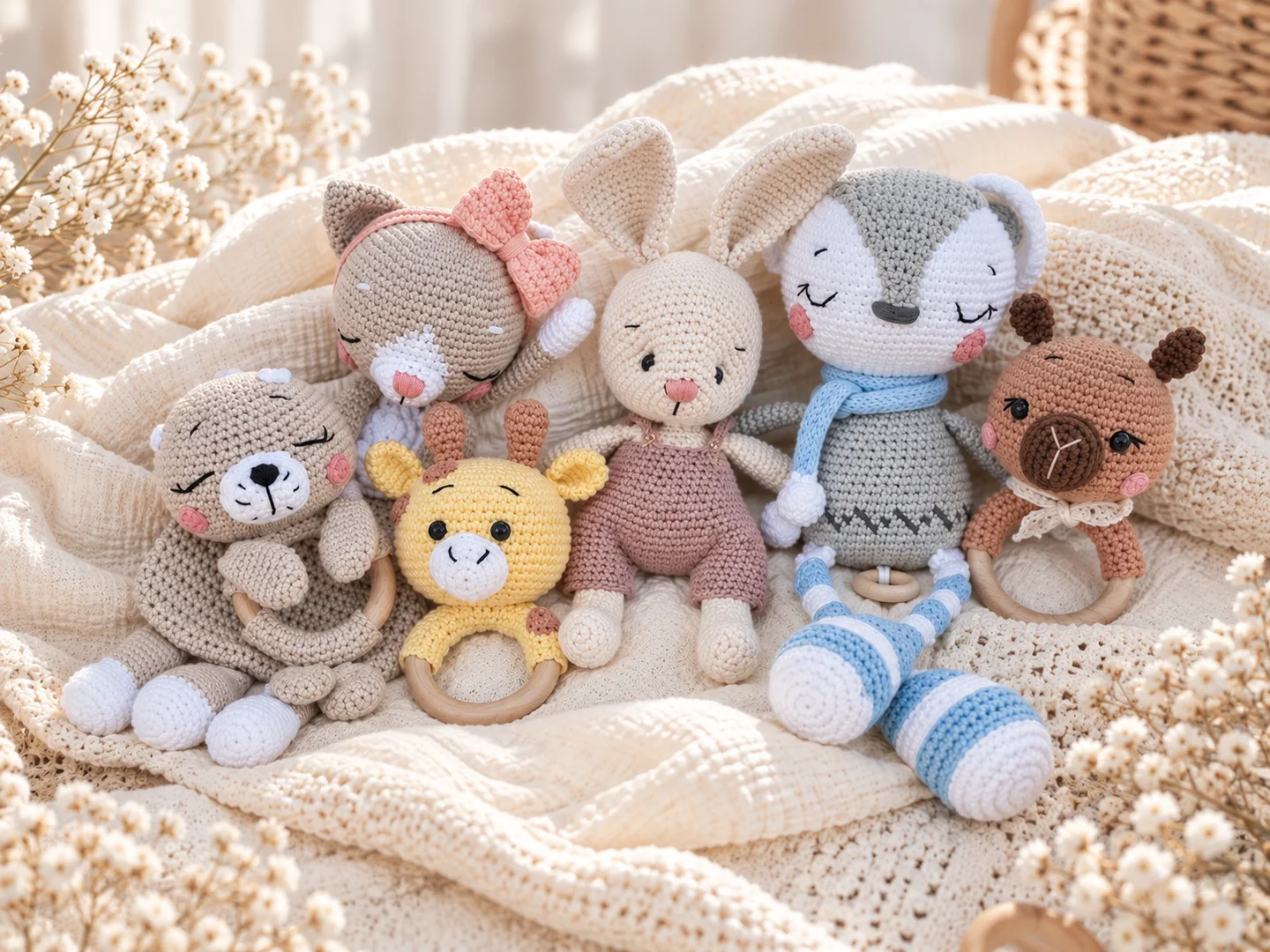
When choosing a baby gift, it helps to think beyond appearance and consider the baby’s age. Babies explore the world through sight, touch, movement and sound. At first, high-contrast shapes may capture their attention; a few months later, they begin reaching, grasping, shaking and exploring. That is why a newborn gift and a gift for an older baby may look quite different.
0–3 Months: First Sights and Sensations
In the first months, babies begin to focus their gaze, follow moving objects and respond to familiar voices. Simple, gentle experiences work best: high-contrast pictures, slowly moving objects, soothing interaction and toys shown by an adult.
You can show a toy while your baby is awake, holding it at a comfortable distance and watching how they respond. There is no need to overstimulate: a few calm, short moments are plenty.
3–6 Months: Reaching and Grasping
Your little one begins to reach more actively, tries to grasp objects and becomes curious about the sounds they make. Lightweight, easy-to-hold rattles, safe textures and toys designed for little hands can be especially engaging at this stage.
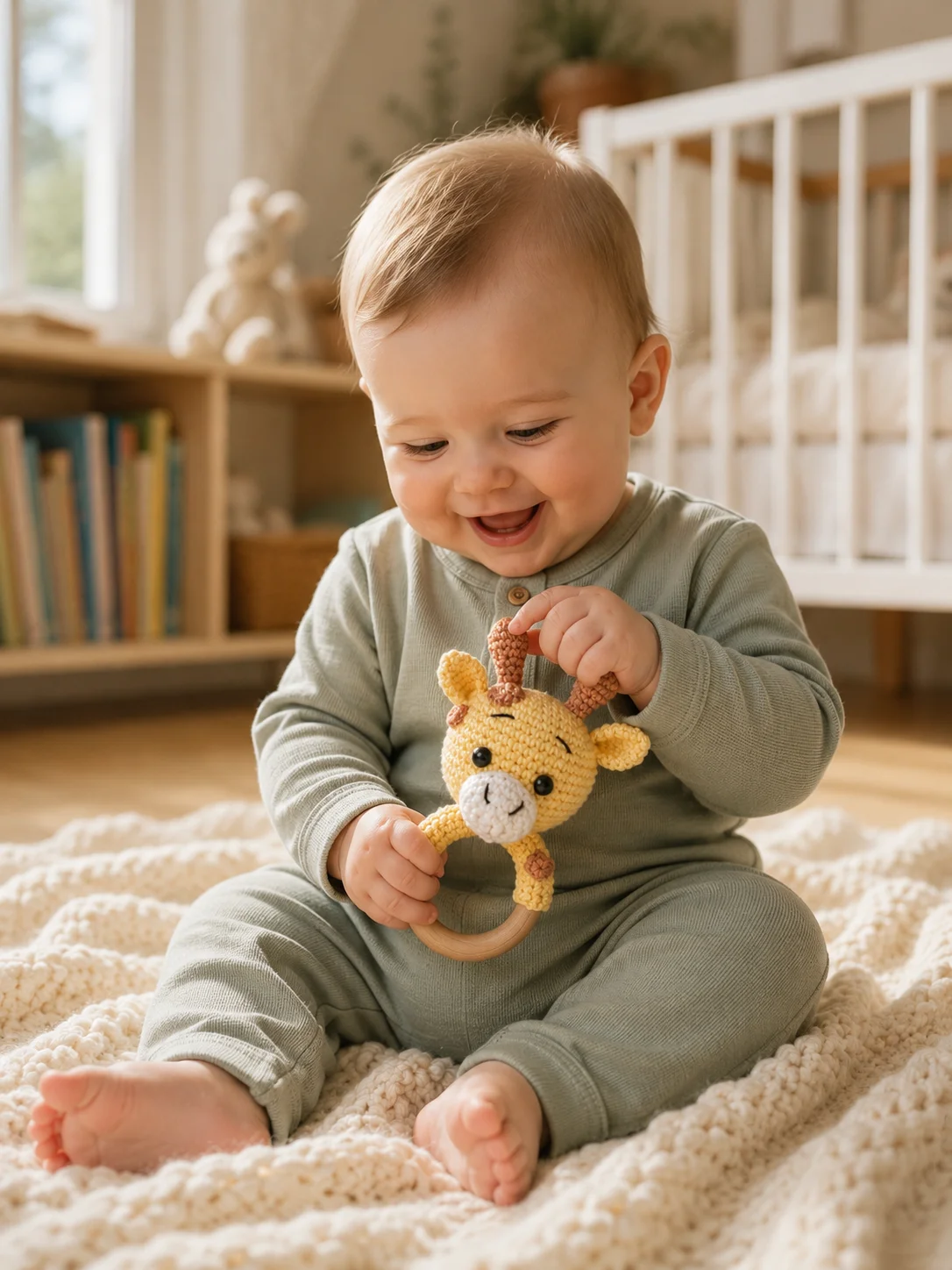
The sound of a rattle helps babies notice a simple connection between action and result: move a hand, hear a sound. Enjoy playing together and let your baby explore at their own pace.
6–9 Months: Exploring Textures and Shapes
At this stage, many babies hold toys more confidently, transfer them from one hand to the other, and examine different shapes and details. Soft toys with varied forms can encourage curiosity about textures, colours and movement.
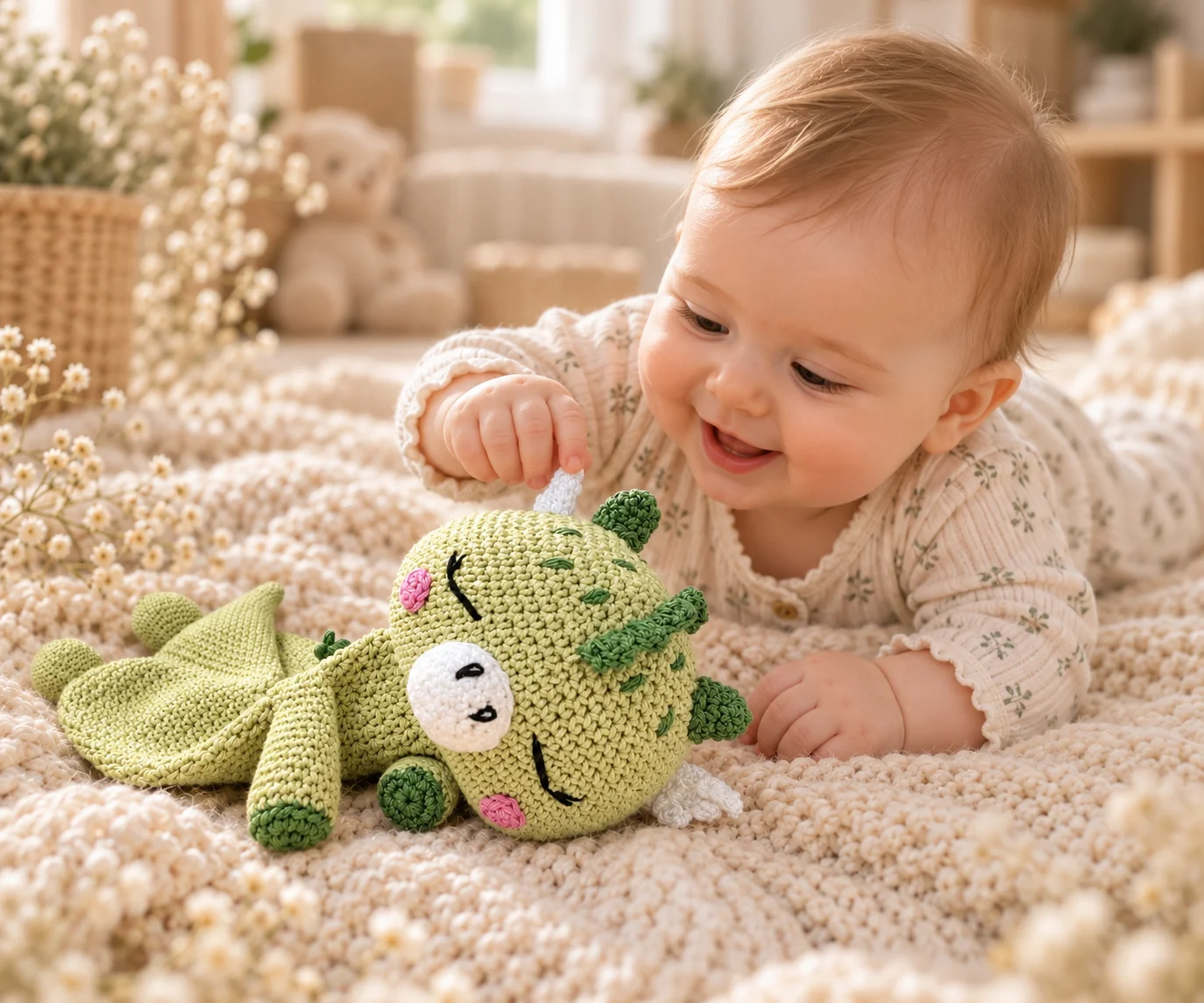
A lovey can become a familiar, comforting companion during supervised daytime play. Keep soft toys out of your baby’s sleep space.
9–12 Months: The Beginnings of Imaginative Play
As the first birthday approaches, babies explore more actively, imitate adults, look for hidden objects and begin to recognise familiar animals. Soft toys, simple hiding games, stacking activities and naming the things your baby sees can all be part of playtime.
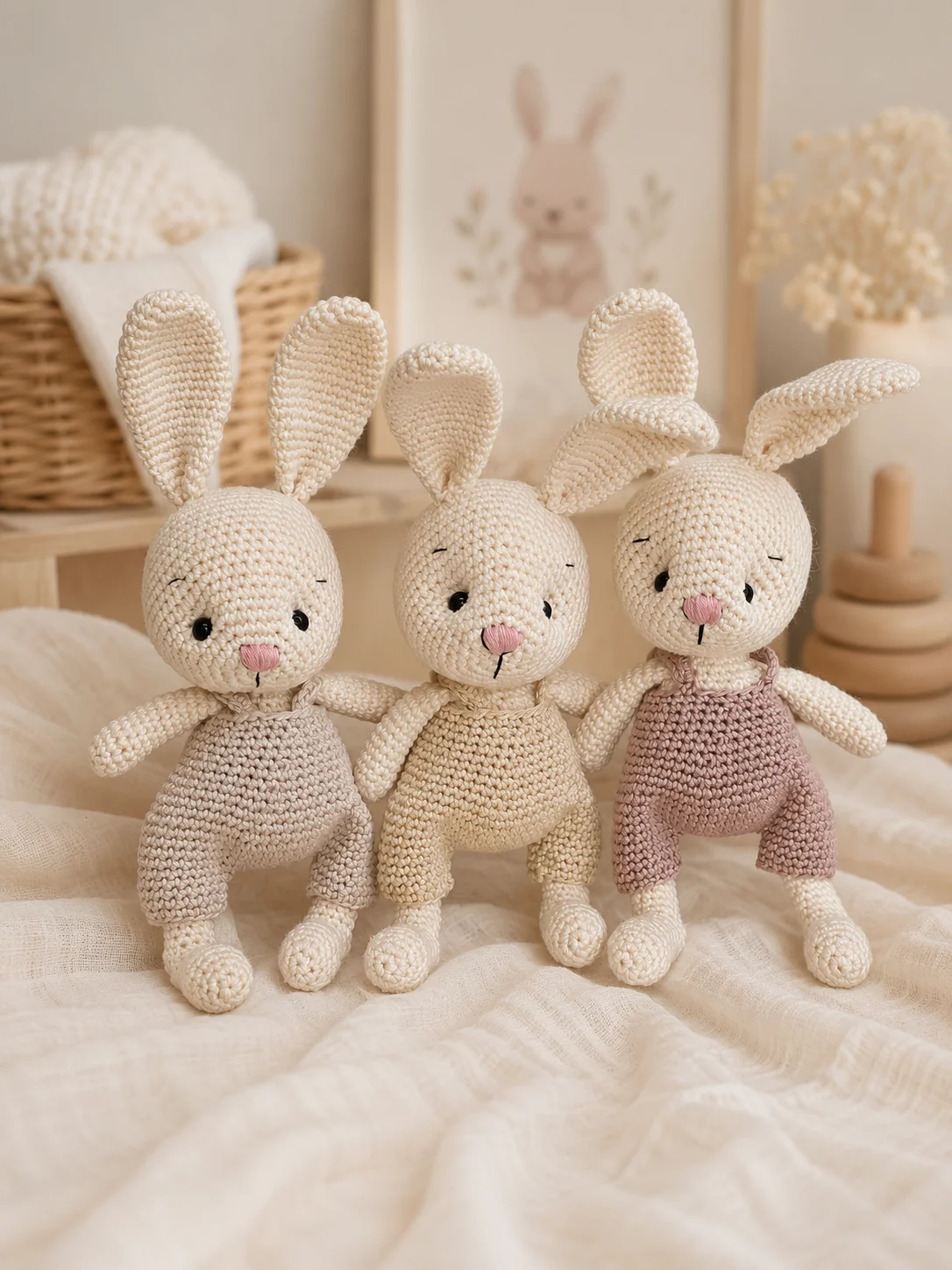
Show your baby a bunny, say its name, hide it under a light cloth and invite them to find it. Simple moments of play together can be more meaningful than complicated toys.
At a Glance: Toys by Age
0–3 months – high-contrast images and calm sensory play.
3–6 months – easy-to-grasp rattles.
6–9 months – toys with varied shapes and textures.
9–12 months – soft animal toys and first shared games.
Age ranges are a guide: every baby develops at their own pace.
Hand-Knitted Merino Wool Booties – A Warm and Practical Baby Gift
When choosing a gift for a newborn or baby, it is worth considering more than toys. Small, cosy essentials can make thoughtful presents too. Hand-knitted booties made from 100% merino wool are a soft and practical gift for tiny feet.
At the Little Hearts Nest studio, we make both lighter and thicker merino wool booties, with a choice of sizes, colours and styles for different seasons. Paired with a handmade rattle or lovey, they also make a lovely addition to a baby gift set.
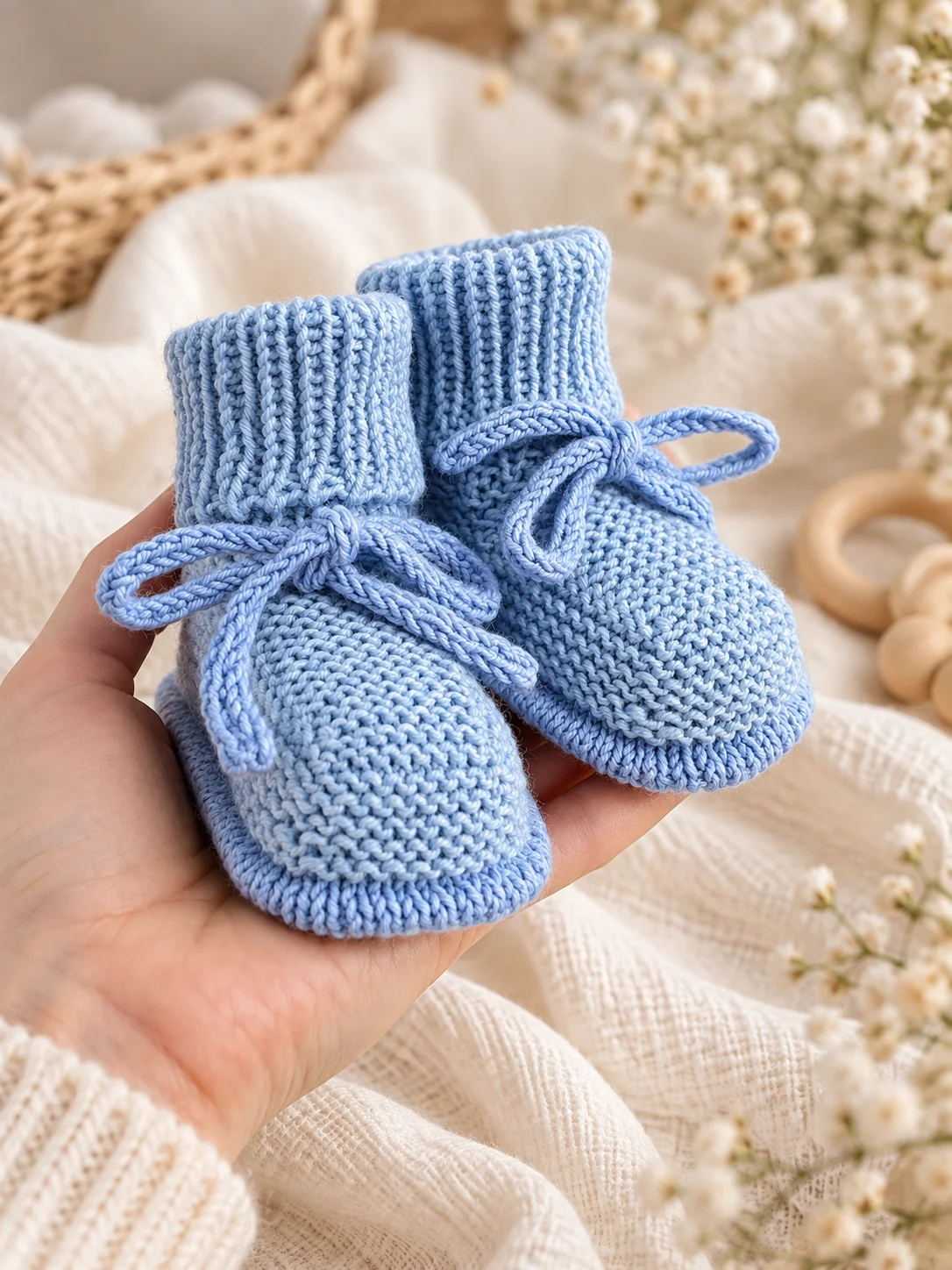
Hand-Knitted Merino Wool Baby Booties ↗
Musical Baby Toys – A Gift of Gentle Melodies
When choosing a special gift for a baby, musical toys are another lovely option. Gentle melodies can capture a little one’s interest, bring comfort to quiet moments during the day and at rest, and become part of familiar daily routines. A handmade musical toy is more than a charming nursery accessory – it is a thoughtful gift that brings together softness, beauty and music.
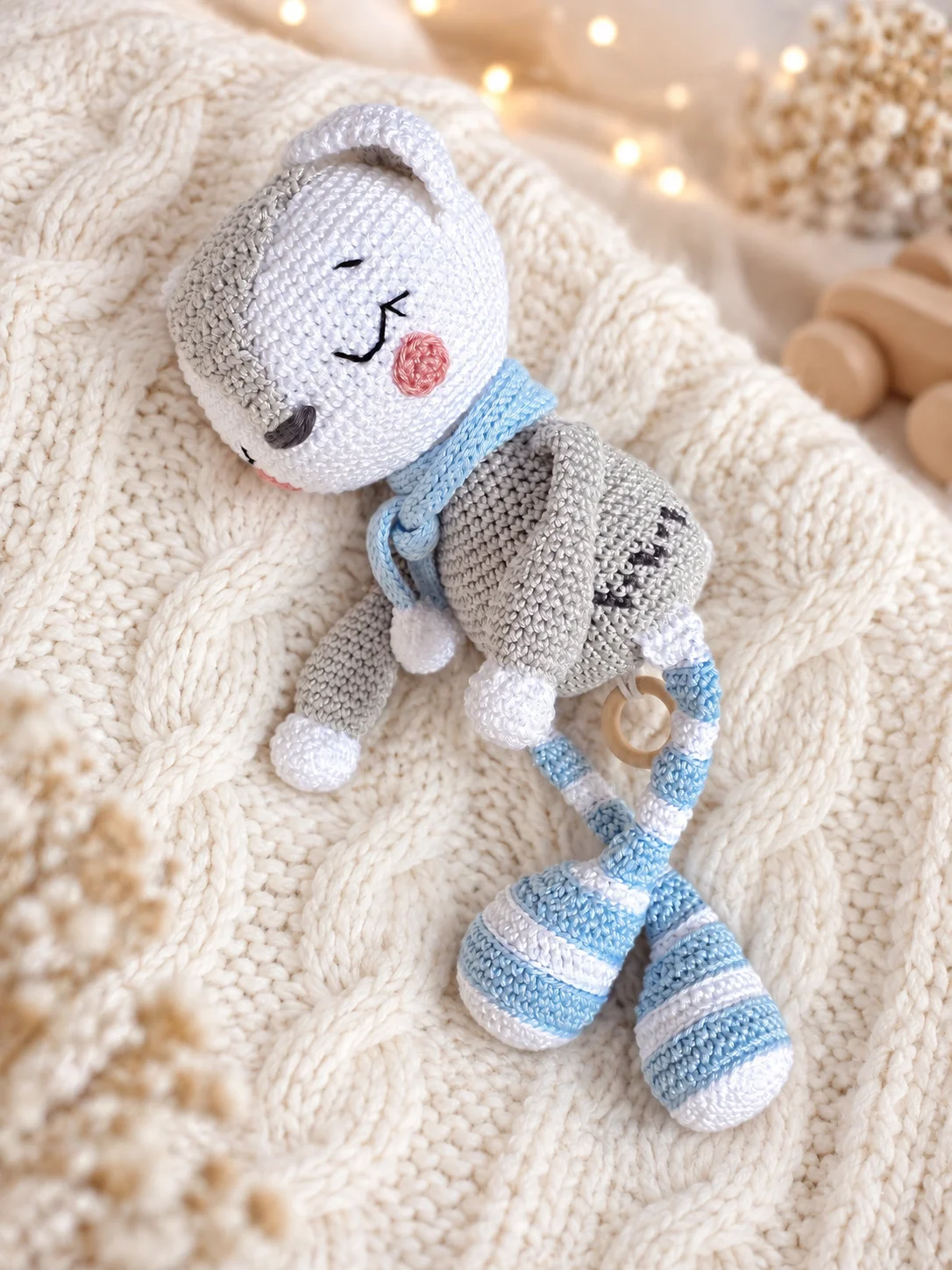
Can Handmade Toys Support Development?
A toy does not need to be complicated to offer meaningful learning opportunities. An interesting shape, a pleasant texture or the chance to grasp and explore something together with an adult can make playtime rewarding.
Explore Our Crocheted Rattles ↗
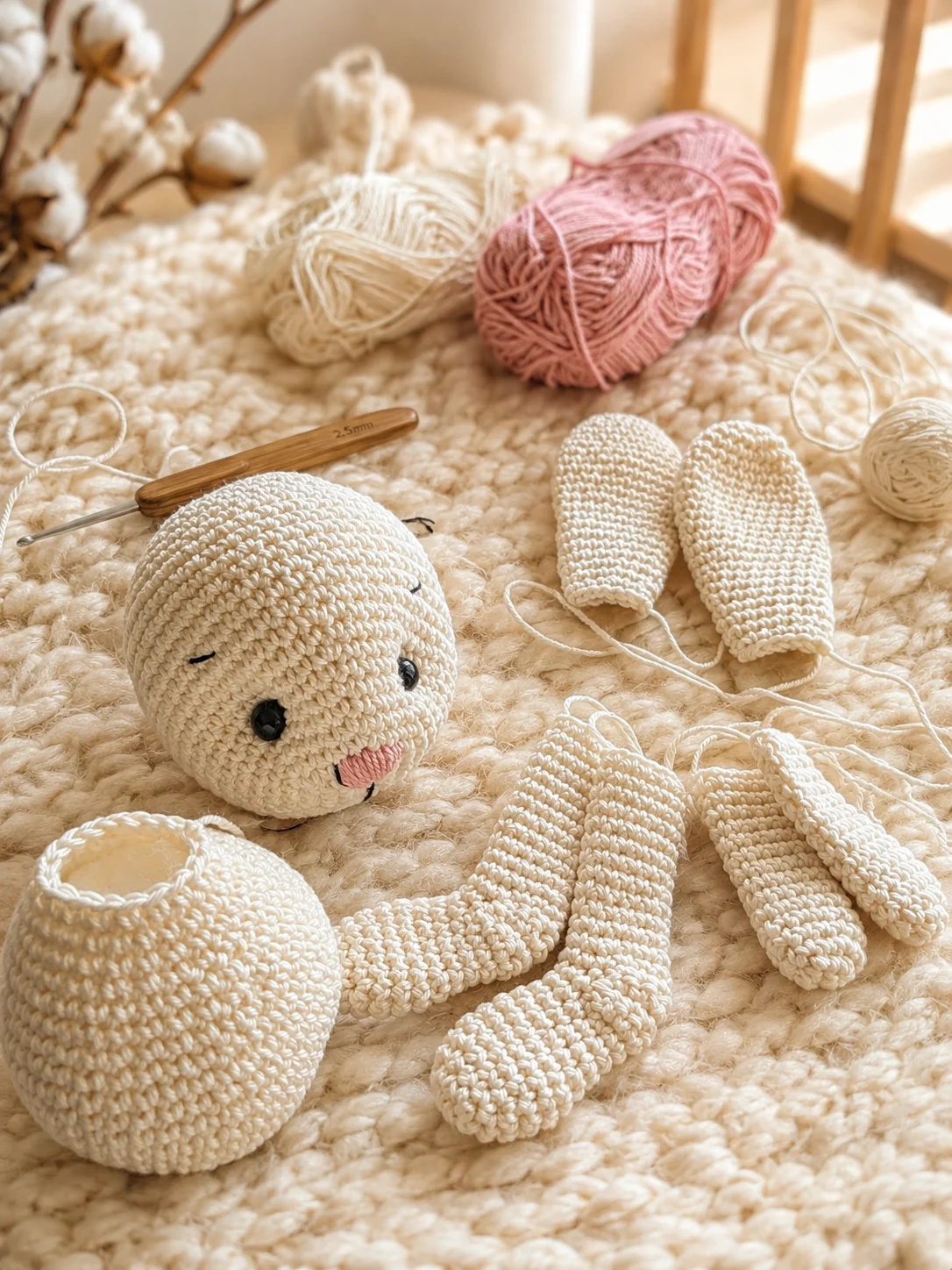
At the Little Hearts Nest studio, every toy is made by hand, with close attention to materials, crochet texture and the smallest details. The result is a collection of distinctive little characters, made to be discovered and cherished.
What to Look for When Choosing a Baby Toy
Choose toys that suit your baby’s age and individual abilities. Check for loose, damaged or easily detachable parts, and make sure each toy is suitable for its intended use. Inspect toys before use and follow the maker’s care instructions.
Always supervise playtime. Soft toys, loveys and other loose items should not be left in a baby’s cot during sleep.
How to Choose a Thoughtful Baby Gift
When choosing a gift for a newborn or an older baby, consider their age, the family’s needs and what they may enjoy as they grow. A handmade rattle, lovey or soft toy can make a lovely keepsake, while merino wool baby booties add a practical, cosy touch.
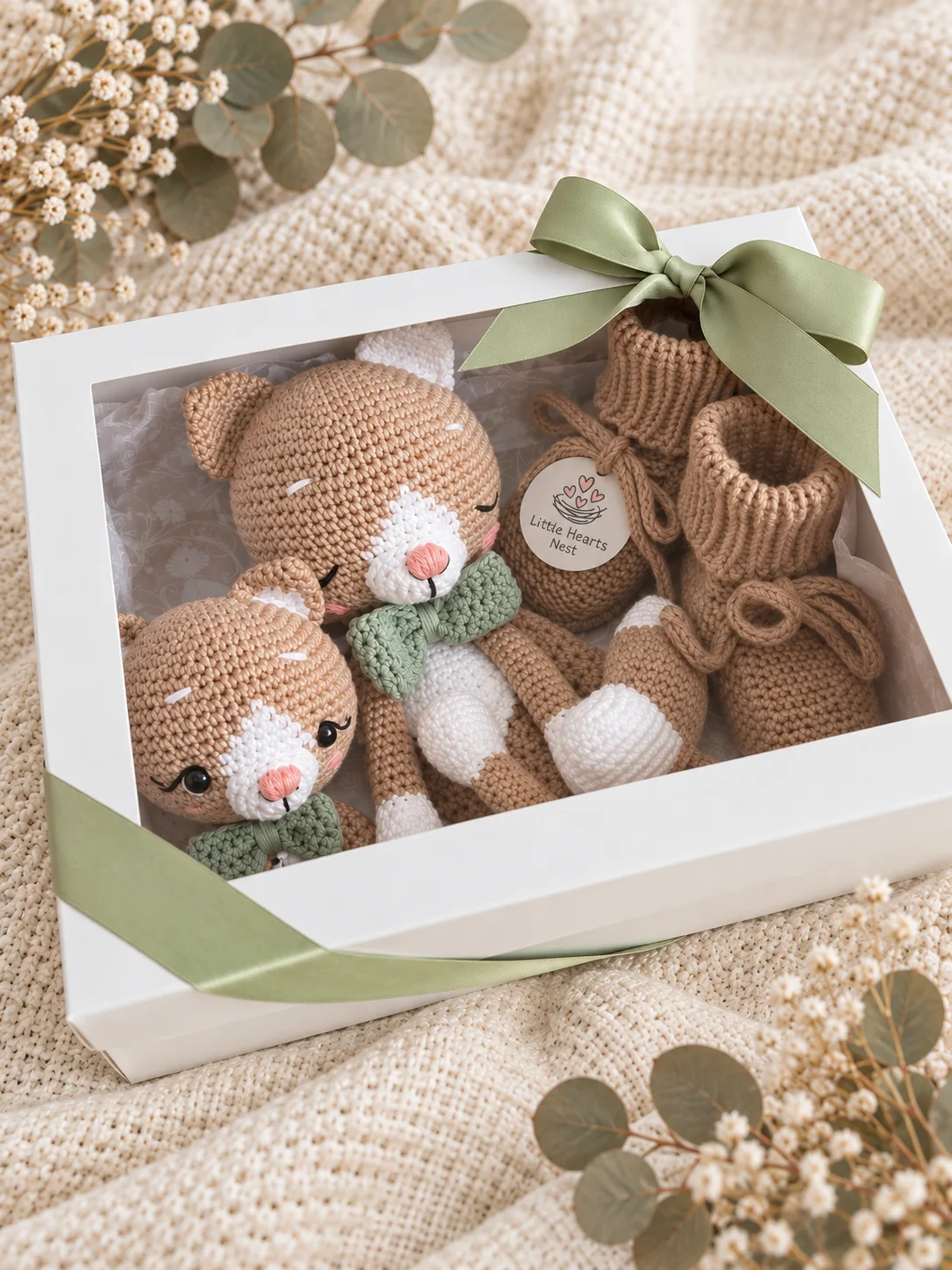
For Little Discoveries and Cosy Moments
Discover handmade crocheted toys and baby gift sets that bring together thoughtful craftsmanship, gentle colours and charming details.
DISCOVER BABY GIFT SETS ↗Frequently Asked Questions
Does a Newborn Need Lots of Developmental Toys?
No. In the first months, close interaction, a safe environment and a few simple, age-appropriate experiences matter far more than a large collection of toys.
When Can I Introduce a Rattle to My Baby?
An adult can demonstrate a rattle in the early months. Babies usually begin exploring one independently once they can grasp objects more confidently. Always follow the toy’s age guidance and intended-use instructions.
Is a Baby Lovey Suitable for an Infant?
Yes, a soft handmade baby lovey can become a comforting little companion, bringing a sense of warmth and familiarity. It is a lovely addition to quiet moments, cuddles, and soothing bedtime routines shared with a parent or caregiver.